BDR and Ghana Health Service Strengthen Partnership to Ensure Universal Birth Registration ACCRA
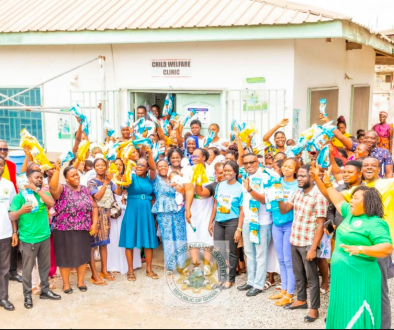
The Births and Deaths Registry (BDR) has intensified its collaboration with the Ghana Health Service (GHS) to ensure every child in Ghana is registered within the first year of birth, through a series of training and sensitization programmes for health and registry staff.
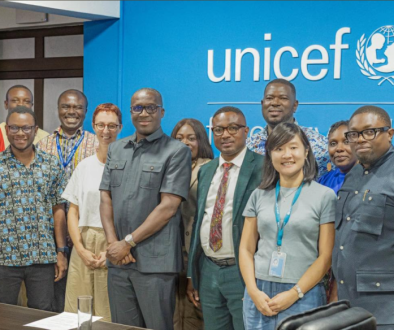
As part of the initiative, the BDR has rolled out capacity-building training for District Registrars across the country. The training is designed to equip officers with the skills and knowledge needed to integrate civil registration processes more effectively within health facilities.
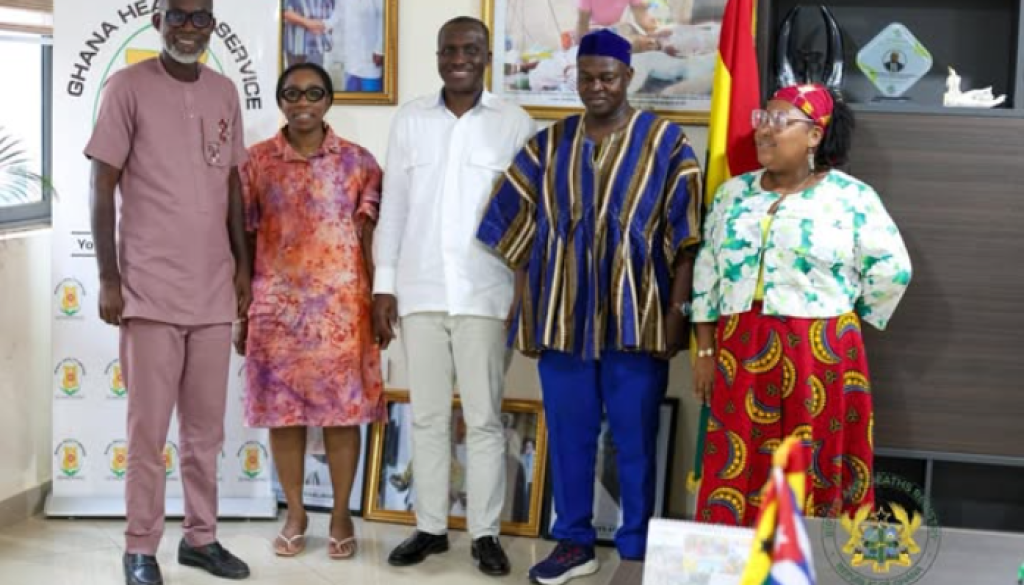
To reinforce the partnership, Ag.Registrar of the Births and Deaths Registry, Mr. Samuel Adom Botchway, paid a courtesy call on the Director-General of the Ghana Health Service, Prof. Samuel Kaba Akoriyea. The meeting focused on strengthening institutional integration and aligning workflows between the two agencies at the national, regional, and district levels.
At the meeting, Mr. Botchway stressed that registering newborns is vital for building a reliable data system, which is essential for national development and effective service delivery.
“Timely birth registration is the foundation of a credible national identity system. When a child is registered at birth, we create the first link in the chain that enables access to health, education, social protection, and financial services throughout their life,” Mr. Botchway said. “Our partnership with GHS is critical because health facilities are the first point of contact for most births in Ghana.”
The GHS Director-General, Prof. Samuel Kaba Akoriyea, welcomed the collaboration and expressed optimism that it would close existing gaps in birth registration coverage, particularly in underserved and hard-to-reach communities.
“This collaboration will help ensure that no child is left unregistered and invisible to the state. By embedding birth registration processes within our health delivery system, we can improve data accuracy, support planning for maternal and child health services, and contribute to Ghana’s broader digital transformation agenda,” Prof. Akoriyea said.
He added that the integration would also enhance real-time data sharing between the health and civil registration systems, supporting evidence-based policy making and resource allocation.
The BDR and GHS have been working to align their systems as part of Ghana’s wider digital public infrastructure strategy. Officials say the strengthened partnership will accelerate progress toward achieving Sustainable Development Goal 16.9, which calls for legal identity for all, including birth registration, by 2030.
Both institutions pledged to sustain regular engagement, joint monitoring, and continuous training to ensure the initiative delivers measurable results nationwide.